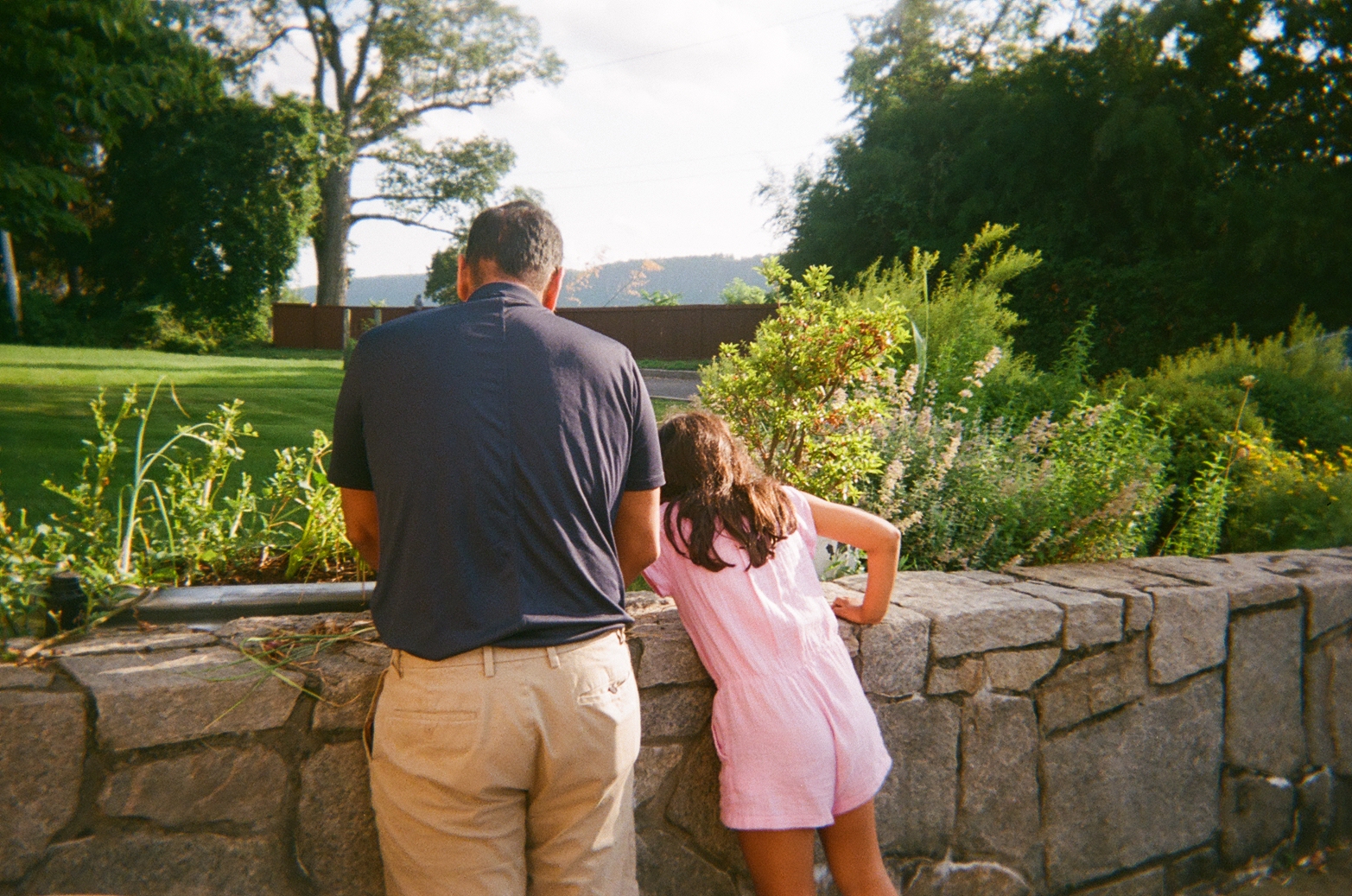
Disposable cameras made photography fun again
How capturing my NY trip with a disposable camera led me to a new life-long hobby.
One picture can tell a story. One picture can bring us back to a certain time conjuring memories, sounds, and smells. Our smartphones have made it incredibly easy to capture these memory-snapshots. We’re all walking around with thousands of photos, spanning many years, with cameras Edison could only have dreamed of. Our ability to take photos that live up to the “picture-perfect” title has been absolutely democratized.
Yet, it’s not fun at all.
You point and shoot, but worse than with an actual point-and-shoot camera, because with a phone there is no viewfinder, no button, no manual focus, no aperture wheel, no crank. Just a glass screen and pressure-sensors.
It’s boring.
All the pictures seem too perfect; the phone does everything for you. Not just for you, but for everyone, of all ages. With barely a touch, toddlers can take half-decent pictures. If toddlers can do it, then it’s probably not that interesting.
The solution? Film.
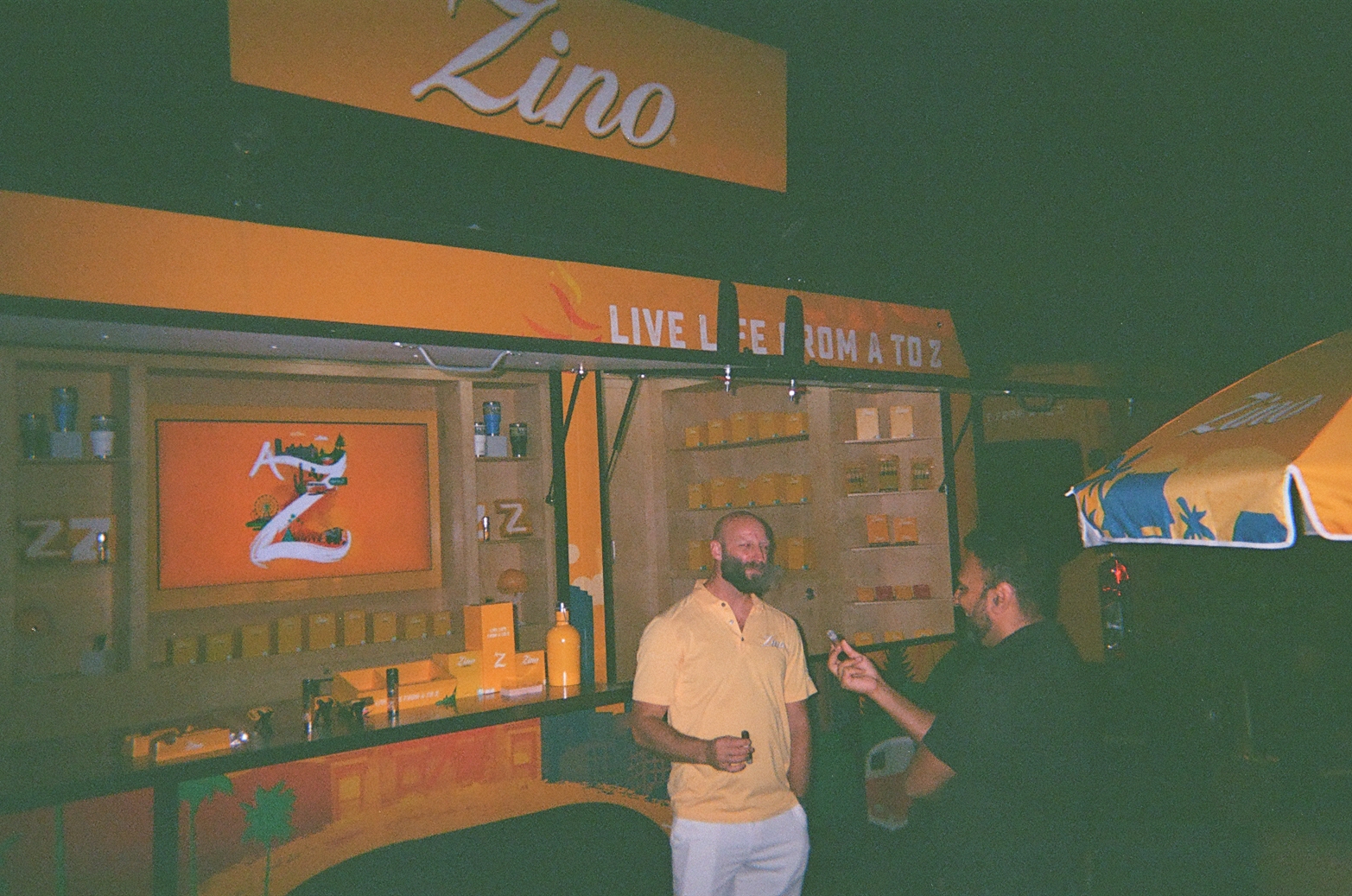
I was invited to my cousin’s eight birthday. She lives with my extended family in Dobbs Ferry, NY and I decided I’d purchase a disposable camera to document the entire trip. These hollow-bodied cameras are nostalgic for me. I vividly remember bringing a couple of these to Boy Scout camping trips. On the last one, our troop went snorkeling off the Florida Keys and I brought one of the fun, water-proof ones with the thick, blue plastic protecting the camera from the Atlantic.
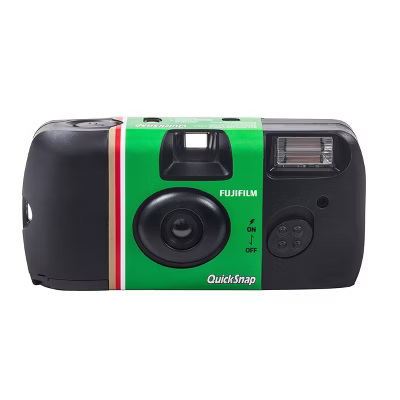
For my NY trip, I purchased a Fujifilm Quicksnap with 27 exposures, a flash, a dial showing how many exposures were left, a viewfinder, and a shutter button. It was smaller than my phone, thicker than my phone, and much more fun to hold than my phone.
Looking through the viewfinder was like looking at another world. It almost looked like what I saw with my eyes, but a bit more clear. Pressing the shutter button made a quiet ‘click’ sound with the slightest pressure. The flash was tiny, but just bright enough to make me blink when looking at it. For $24, you’re not getting much, but what you do get is worth more than the sensor stuck to my phone: joy.
My challenge was to capture my five day trip to New York with 26 exposures (I spent one on a “selfie” with my girlfriend the night before my trip). Over those five days, I went from sidewalk to sidewalk looking at the world through a viewfinder. The black plastic nestled against my cheeks and my nose folded down to make room for my left eye to frame the shot. Do I click the shutter? Is this worth capturing? Each time I wrestled, not with the camera, but with my own creativity and my future. What would he want to see? What would he want to show his family?
When my fingers finally found the courage to make permanent the fleeting moment in front of me- click. Not even a second later, a company of fear is at the door like papparazi spotting a D-list celebrity with such questions as: was the lighting okay? did you move at all, is it blurry? Are you sure that’s the best use of your limited exposures? But right after, satisfaction quickly rushes through to console me. “It’s done. You chose to take that picture, that’s what makes it special.”
This dinky little disposable camera filled me with joy and satisfaction. It propelled me to buy vintage film camera in the middle of my trip, before I could develop the film in my hands. There are at least three reasons why:
- The limited number of exposures meant that every shot had to be well thought out.
- The limited number of exposures meant that each shot was inherently special.
- Having a dedicated camera made me feel like I needed to fill the shoes of a photographer, making me take the process more seriously.
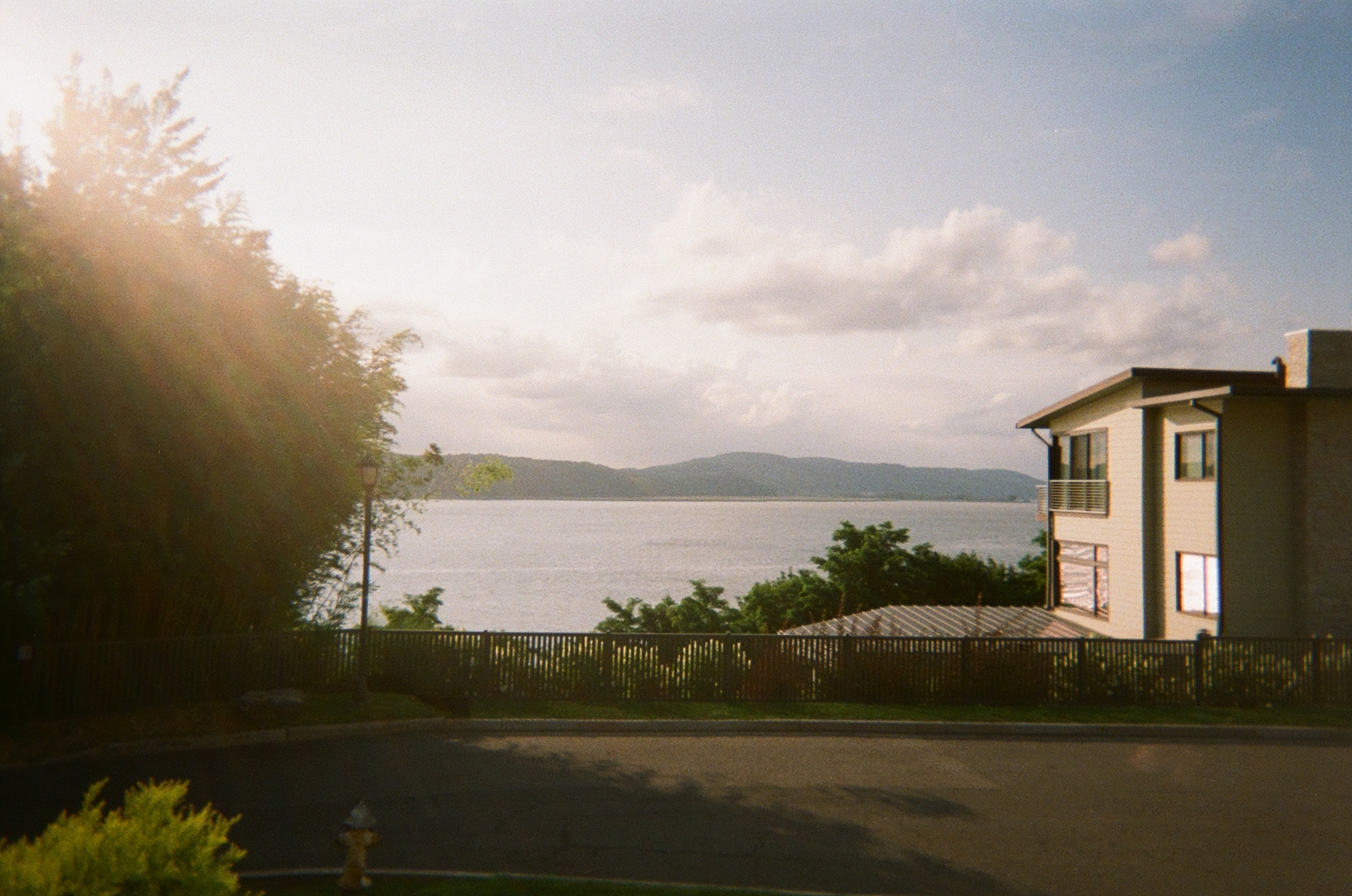
Constraints fosters creativity
With just 26 exposures, I was forced to think harder about every shot. Each one asked me to frame, compose, and then ask myself, “Is this the story you want to tell?”
Instead of callously taking pictures of anything, everything, multiple times (like my mother), I had to reason with myself on what is and isn’t worth capturing. I had to constantly “frame the shot”. Many times, my uncle would ask what I was taking a picture of, because I kept popping my eyes in and out of the viewfinder looking at everything from tables to movie screens to the sunset through that viewfinder. I wasn’t taking a photo though. I had to see the world through a lens to see if what was in front of me should be a story captured forever. Everything started to look like a possible shot and a possible story with this process. I walked around NYC seeing the concrete jungle not as a canvas for advertisers, but as a pool of stories waiting to be told through film. My artist, no longer stuck behind computer processing and glass, finally woke up.
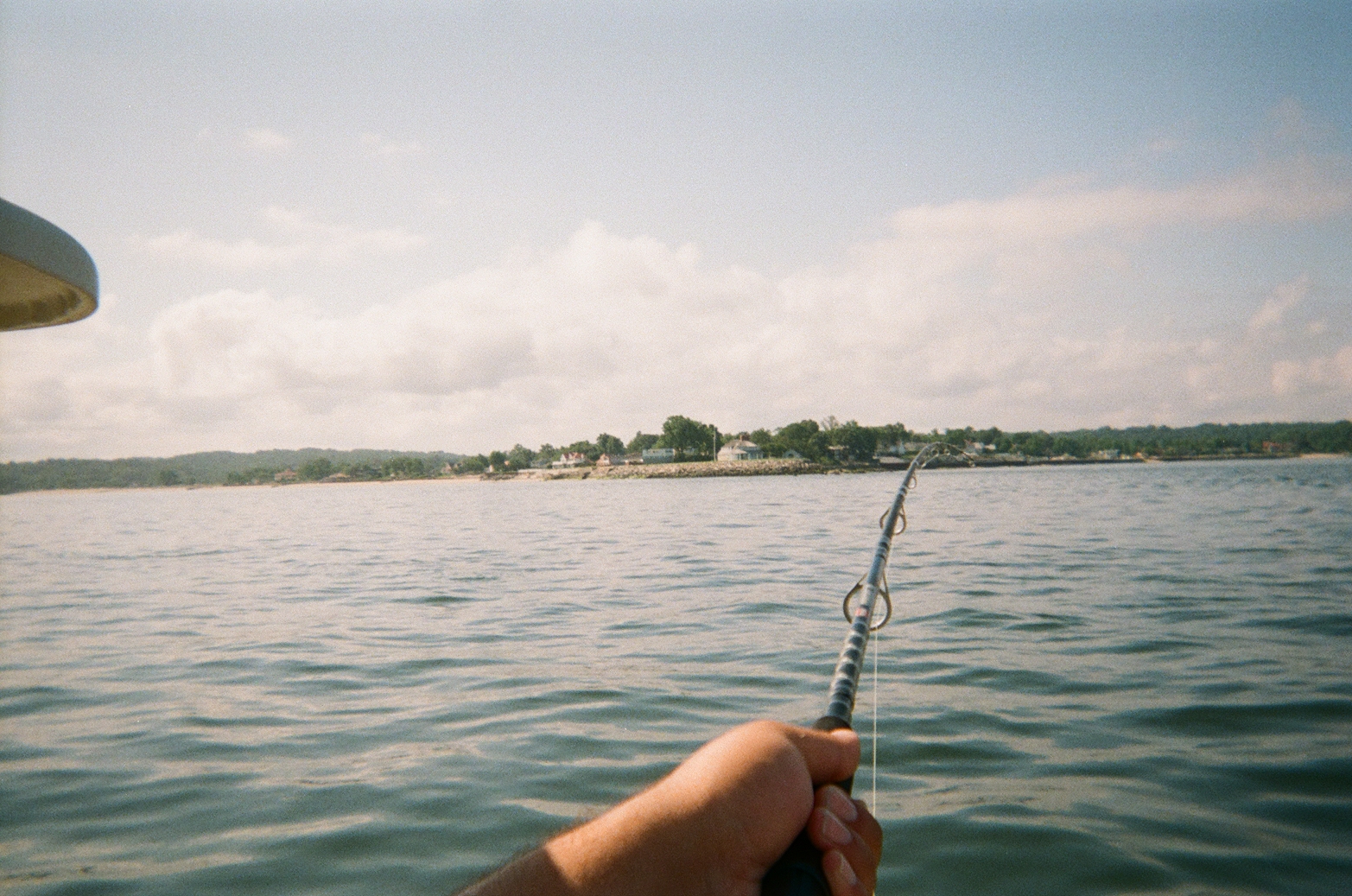
Sacrifice creates meaning
Each picture I took was like filling out another page in a notebook with a fountain pen. It cannot be erased and the blank cannot be brought back. Whatever was written, was. Whatever was captured, was. Each word or photo sacrificed all the other possible words and photos.
When you only have 26 opportunities to capture over 120 hours of the story that is your life, each one has to be meaningful. Each photo’s meaning is not derived from its composition, lighting, or artistic quality, but rather from simply being taken. Because you chose to take those 26 photos of those 26 subjects in those 26 compositions out of all the other possible subjects and compositions gives that film its meaning. At least to you, and if you’re lucky, to everyone else who sees it.
Dedicated tools makes one feel like a professional
If art is a matter of tools and artistic quality is solely dependent on them, then art is inaccessible. But this is not true. Tools do not make the artist. Tools are vessels for the artist. I hold that art, being the outpouring of man’s condition towards a medium of his choosing, can endow into any medium with any vessel his part in the divine.
The greatest photographer can capture better photos with this Quicksnap than an average photographer with any pick of the high-end camera available today. Artists are good at using the “lack of tools” as an excuse to cease creating and for those who have never began, to never begin.
But, this doesn’t mean that tools don’t have a purpose in aiding the creative process. Better lenses produce better photos, better paint produce better paintings, and better hammers produce better houses.
What I discovered that weekend was that tools also serve to validate the artist in their profession or ambition. This is a big reason people obsess over tooling. Software engineers buy expensive keyboards, even though their laptop works great. Artists wrestle with which set of colored pencils are best, even if they can’t afford them. Would-be bodybuilders do nothing because they can’t afford a gym membership, even though calisthenics requires none. Tooling can be a useful excuse to not do “the thing”, but it is a sort of universal excuse found across domains shedding light on some underlying truth propelling it. This truth being that there is a correlation between the tools we use and our status in a domain.
Professional artists have the best colored pencils. Great software engineers have mechanical keyboards. Serious bodybuilders have a gym membership. In a similar way, having an actual camera, even a cheap, disposable one, made me feel like an actual photographer. Even with a massively powerful camera on my phone that takes pristine photos without mechanical forethought, having a dedicated tool exhilarated me while I was constantly looking at everything through its viewfinder.
Artists have pencils. Software engineers have keyboards. Bodybuilders have gyms. Photographers have cameras. That weekend, I was a photographer.
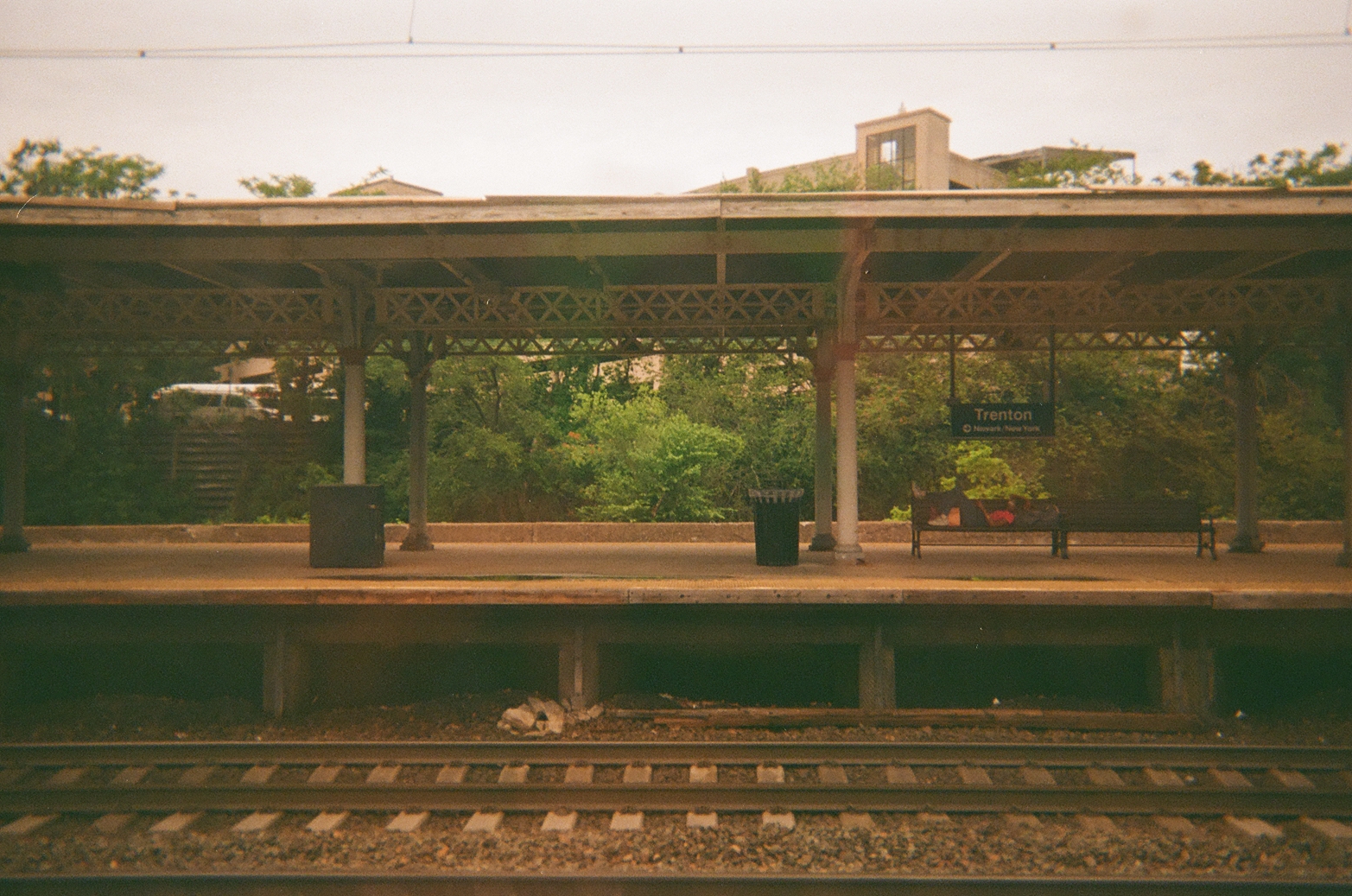
It’s a neat little thing these cameras. With no screens, crappy flash, and hollow bodies they are surprisingly fun. When you’re young and your mother hands you one for a campout, you beg for a digital point-and-shoot. When you get a digital camera, you have your eyes on a chunky DSLR, something “better”. When you have more megapixels than you need to take photos so pristine that people think it’s doctored, you wish to yourself for these cheap, hollow, memory capturing machines.
26 memories to capture with 26 exposures. I can write endlessly, this computer allows it, but I cannot expose film endlessly. Because of this, each shot is special, and looking back each shot will be special and will mean something because I had to choose that shot over everything else. In that choosing, I gave this film roll it’s meaning and hope that the unknown audience in my future will find this film meaningful as well.
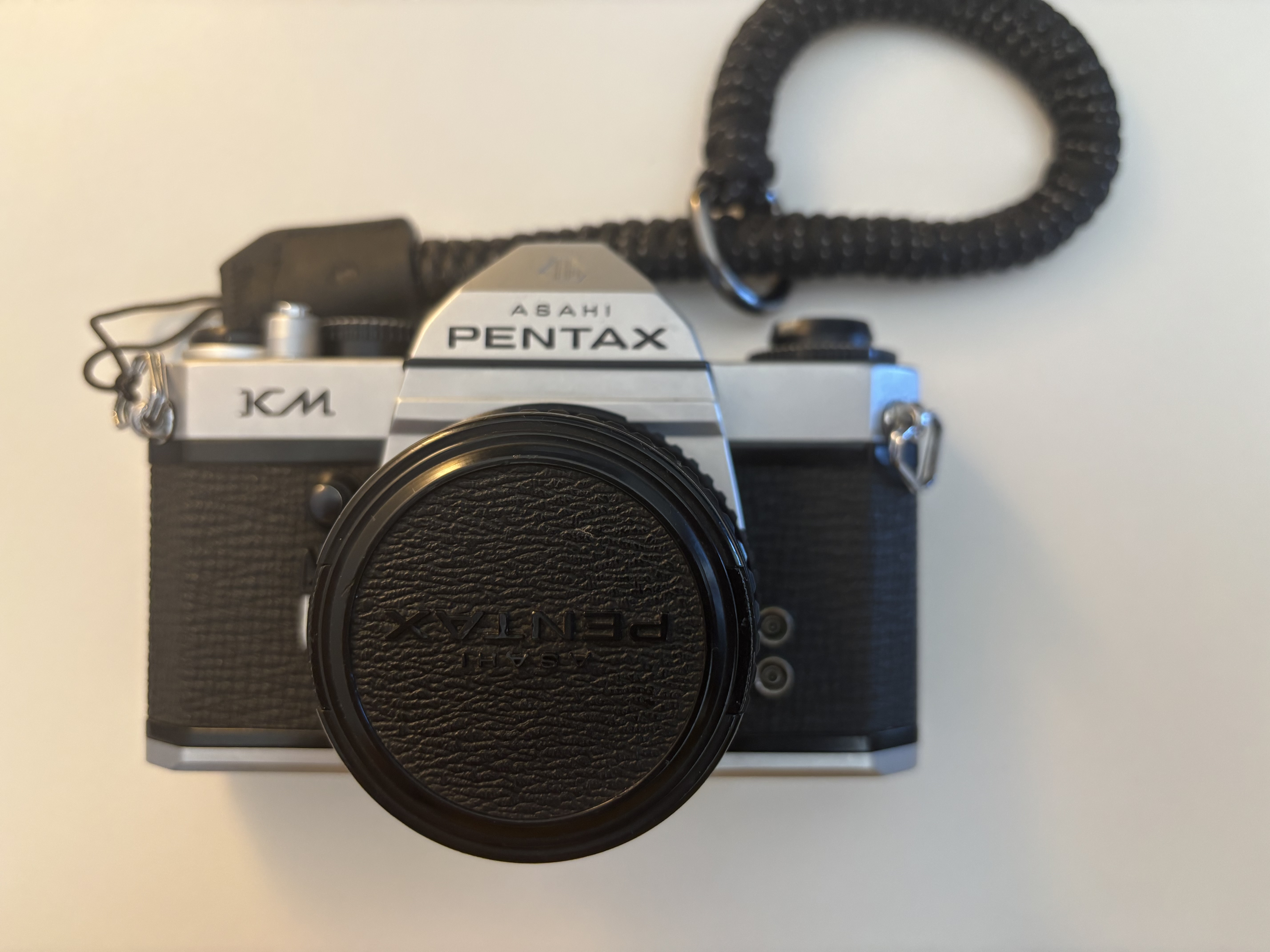
I fell in love with my disposable camera. I fell in love with film. I fell in love with the slowing down, thinking through, limited exposures, and constant framing. Because of this, I pulled the trigger and bought a Pentax KM from Japan; a vintage, 35 mm film camera.
Film is expensive, coming out to about a $1 per shot between the cost of the film, development, and scanning. Then again, everything worthwhile is expensive. Even if I take just 100 photos in my entire life, I’d rather shoot them with film, slowed down with too much thought, sacrificing everything else my eye could see.
I’m not sure where the film from my old waterproof disposable camera ever went or if it was ever developed. I never really appreciated those cameras when I was 12, but I certainly appreciate them now.